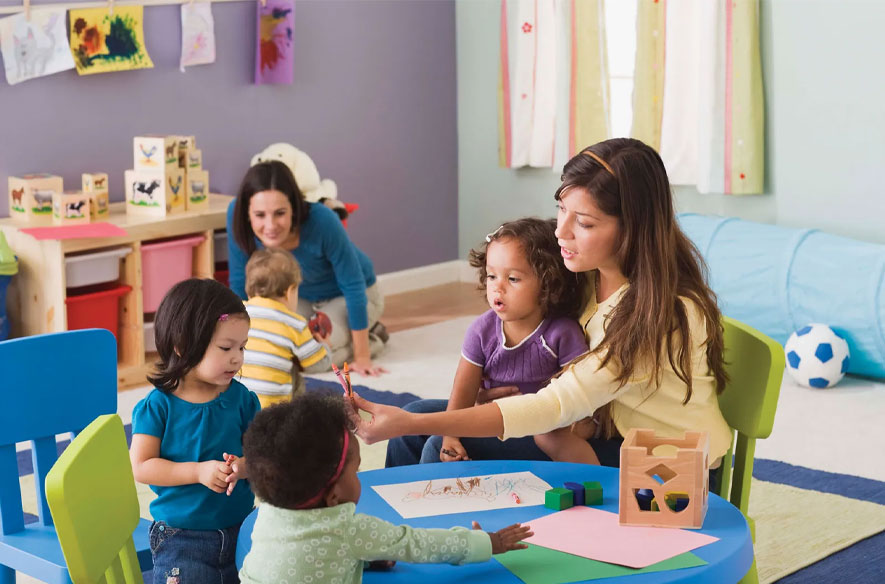
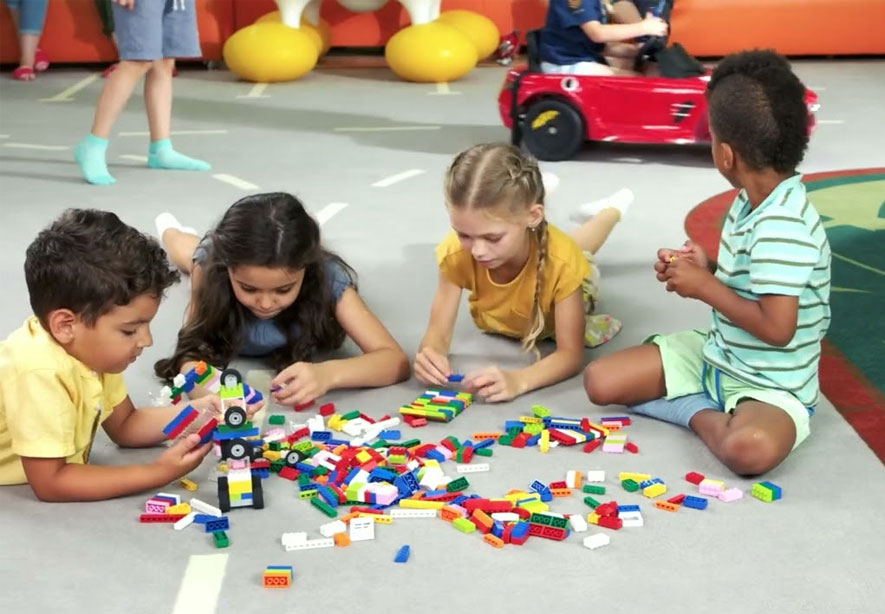
Montessori education is a child-centered learning approach that helps children develop independence, confidence, creativity, and problem-solving skills through hands-on activities. Created by Dr. Maria Montessori, this method allows children to learn at their own pace in a carefully prepared environment where teachers guide rather than control the learning process.
Why Parents Are Searching for Montessori Education
Every parent wants to provide their child with the best possible start in life. Early childhood is a critical period when children develop essential skills that influence their future learning, behavior, and confidence. Because of this, many families are exploring different educational approaches to understand which environment best supports their child’s growth.
One approach that has gained worldwide attention is Montessori education. Unlike traditional classroom models that often follow a fixed schedule where every child completes the same activity at the same time, Montessori focuses on individual development, exploration, and learning through experience.
Parents searching for what is Montessori education are often looking for answers about how this method works, what children learn, and whether it can support their child’s academic, social, and emotional development.
Understanding the Montessori philosophy can help families make informed decisions about early childhood education and identify learning environments that match their child’s needs.
What Is Montessori Education?
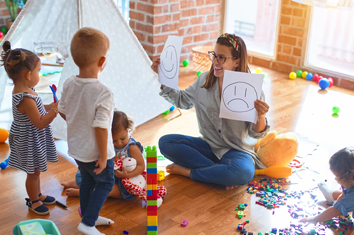
Montessori education is an educational approach based on independence, hands-on learning, and respect for a child’s natural development.
The method was created by Italian physician and educator Dr. Maria Montessori in the early 1900s. Through careful observation of children, Dr. Montessori developed a teaching philosophy based on the idea that children learn best when they are given freedom within a structured and supportive environment.
A Montessori classroom is designed to encourage curiosity and exploration. Children choose activities, work with specially designed learning materials, and develop skills through practical experiences.
The main principles of Montessori education include:
- Respect for the child’s individuality
- Learning through hands-on experiences
- Development of independence
- Self-paced learning
- Encouragement of problem-solving
- Teacher guidance instead of constant instruction
Today, Montessori programs are found around the world and are used for early childhood education, preschool, kindergarten, and elementary learning.
How Does Montessori Education Work?
Montessori education works by creating a prepared environment where children can independently explore activities that support different areas of development.
Instead of a teacher standing in front of the classroom delivering the same lesson to every child, Montessori classrooms allow children to move, choose activities, practice skills, and learn through discovery.
The teacher’s role is to observe each child, understand their developmental stage, introduce appropriate materials, and provide guidance when needed.
What Is a Montessori Classroom Like?
A Montessori classroom is carefully organized to encourage independence and concentration.
Common features include:
- Child-sized furniture
- Open shelves with learning materials
- Dedicated activity areas
- Practical life activities
- Language and mathematics materials
- Creative and cultural learning resources
The classroom environment is often called a “prepared environment” because everything is arranged intentionally to help children complete tasks independently.
For example, instead of asking an adult for help every time they need something, children learn to choose materials, complete activities, and return items to their proper place.
This process builds responsibility and confidence.
What Are the Main Principles of Montessori Education?
1. Child-Led Learning
One of the most important elements of Montessori education is allowing children to participate actively in their own learning.
Children are encouraged to:
- Choose activities based on interest
- Repeat tasks until they understand them
- Work independently
- Develop skills at their own pace
This does not mean children have unlimited freedom. Montessori provides structured choices where every activity has a learning purpose.
For example, a child may choose a puzzle activity, but that puzzle is designed to develop concentration, coordination, and problem-solving abilities.
2. Hands-On Learning
Montessori education believes children understand concepts better when they experience them physically.
Instead of only memorizing information, children interact with materials that allow them to see, touch, compare, and experiment.
Examples include:
- Counting beads for mathematics
- Sandpaper letters for language development
- Sorting activities for classification skills
- Practical tasks for everyday independence
Hands-on learning helps children move from concrete understanding toward abstract thinking.
3. Learning Through Independence
A major goal of Montessori education is helping children become confident individuals who can complete tasks independently.
Children practice skills such as:
- Organizing their workspace
- Taking care of classroom materials
- Completing daily tasks
- Making appropriate choices
These experiences help develop responsibility from an early age.
4. Respect for Individual Development
Every child develops differently. Montessori education recognizes that children have different interests, abilities, and learning speeds.
Instead of comparing children with each other, Montessori focuses on personal progress.
A child who needs more time to master a skill receives support, while a child ready for advanced activities can continue exploring.
What Are the Five Areas of Montessori Learning?
Montessori classrooms usually focus on five major learning areas.
| Montessori Area | What Children Learn |
|---|---|
| Practical Life | Everyday skills, independence, coordination, and responsibility |
| Sensorial | Understanding the world through sight, touch, sound, smell, and movement |
| Language | Vocabulary, communication, reading, and writing skills |
| Mathematics | Numbers, counting, patterns, and problem-solving |
| Cultural Studies | Science, geography, nature, history, and social awareness |
These areas work together to support complete child development.
What Are the Benefits of Montessori Education?
1. Montessori Builds Independence
One of the biggest advantages of Montessori education is that it helps children become confident and capable.
When children complete tasks independently, they develop the belief that they can solve problems and handle responsibilities.
Examples include:
- Preparing materials
- Cleaning after activities
- Managing personal belongings
- Completing classroom tasks
These small responsibilities create important life skills.
2. Montessori Encourages Critical Thinking
Montessori activities are designed so children think, experiment, and discover solutions.
Instead of immediately receiving answers, children are encouraged to explore possibilities.
This develops:
- Problem-solving skills
- Decision-making ability
- Logical thinking
- Persistence
A child who learns to try again after making a mistake develops resilience that benefits future learning.
3. Montessori Supports Creativity
Creativity grows when children have opportunities to explore ideas freely.
Montessori environments encourage creativity through:
- Art activities
- Storytelling
- Music
- Nature exploration
- Open-ended projects
Children are encouraged to think independently rather than simply copy information.
4. Montessori Improves Concentration
Montessori activities often allow children enough time to focus deeply on one task.
Repeating activities helps children develop:
- Patience
- Attention span
- Self-discipline
- Confidence
These skills are valuable both inside and outside the classroom.
5. Montessori Develops Social Skills
Many Montessori classrooms include children of different ages learning together.
This creates opportunities for:
- Cooperation
- Respect
- Communication
- Leadership
Older children can support younger classmates, while younger children learn by observing others.
Montessori Education vs Traditional Education: What Is the Difference?
Parents often compare Montessori education with traditional preschool models because both approaches aim to support children’s growth, but their teaching methods are different.
The main difference is that Montessori education focuses on independence, exploration, and individual learning pace, while traditional classrooms often follow a more structured schedule where teachers guide the entire group through the same activities.
| Montessori Education | Traditional Education |
|---|---|
| Child-centered learning | Teacher-directed learning |
| Children choose activities within limits | Children usually follow a fixed schedule |
| Hands-on learning materials | More instruction and worksheets |
| Individual learning pace | Group learning pace |
| Teacher acts as a guide | Teacher acts as the main instructor |
Neither approach is identical for every child. Parents should consider their child’s personality, learning style, and developmental needs when exploring educational options.
What Activities Do Children Do in Montessori Education?
Montessori activities are carefully designed to develop specific skills while allowing children to learn through practice.
Some common Montessori activities include:
Practical Life Activities
Practical life activities help children develop independence and coordination through everyday tasks.
Examples include:
- Pouring and transferring objects
- Folding clothes
- Preparing simple snacks
- Cleaning materials
- Organizing personal belongings
These activities may appear simple, but they help children develop concentration, confidence, and responsibility.
Language Activities
Montessori language activities support communication and early literacy development.
Children may practice:
- Letter recognition
- Vocabulary development
- Storytelling
- Reading preparation
- Writing skills
Hands-on materials allow children to connect sounds, symbols, and meanings naturally.
Mathematics Activities
Montessori mathematics introduces numbers through physical experiences before moving toward abstract concepts.
Examples include:
- Counting materials
- Number matching
- Pattern recognition
- Basic mathematical operations
Children develop a stronger understanding because they can see and manipulate concepts.
Science and Cultural Activities
Montessori programs often encourage children to explore the world around them.
Activities may include:
- Learning about plants and animals
- Geography activities
- Environmental awareness
- Simple science experiments
- Nature observation
These experiences encourage curiosity and a love for learning.
Common Misconceptions About Montessori Education
Although Montessori education is widely recognized, many misconceptions still exist.
Myth 1: Montessori Means Children Have No Rules
Reality: Montessori classrooms provide freedom within a structured environment.
Children can choose activities, but they learn classroom expectations, respect for others, and responsibility.
Myth 2: Montessori Is Only Play-Based Learning
Reality: Montessori activities are designed with specific developmental goals.
A child working with a Montessori material is developing skills such as coordination, concentration, language, mathematics, or problem-solving.
Myth 3: Montessori Children Do Not Learn Academics
Reality: Montessori education includes important academic areas such as reading, mathematics, science, and cultural studies.
The difference is that children often learn these subjects through exploration and hands-on experiences.
How Can Parents Support Montessori Learning at Home?
Parents can continue Montessori principles outside the classroom by creating opportunities for independence.
Simple ways to support Montessori learning at home include:
Encourage Independence
Allow children to complete age-appropriate tasks themselves.
Examples:
- Choosing clothes
- Organizing toys
- Helping prepare meals
- Taking care of personal items
Create an Organized Environment
Children learn better when their surroundings are simple and accessible.
Parents can:
- Keep books within reach
- Organize toys by category
- Provide child-friendly spaces
Encourage Curiosity
Instead of immediately answering every question, encourage children to think and explore.
Questions like:
“Why do you think this happened?” or “How could we solve this?” help develop critical thinking.
How to Choose the Right Montessori Environment for Your Child?
Choosing a Montessori program involves more than simply finding a nearby school. Parents should look at the learning environment, teaching approach, and overall philosophy.
Important factors include:
1. Qualified and Supportive Educators
A strong Montessori environment depends on teachers who understand child development and know how to guide children effectively.
Parents can ask about:
- Teacher training
- Classroom experience
- Educational philosophy
2. A Prepared Classroom Environment
A Montessori classroom should feel organized, welcoming, and designed for children.
Look for:
- Accessible learning materials
- Calm atmosphere
- Opportunities for independent work
- Clean and organized spaces
3. Focus on Whole Child Development
Quality Montessori education supports more than academics.
Parents should consider whether the environment encourages:
- Confidence
- Social skills
- Emotional development
- Creativity
- Independence
How Little Einsteins Montessori LLC Supports Montessori Learning
At Little Einsteins Montessori LLC, the Montessori philosophy is centered around creating a nurturing learning environment where children can explore, develop independence, and build confidence through meaningful experiences.
A Montessori environment should allow children to learn naturally while receiving guidance from caring educators. By focusing on hands-on activities, individual development, and a prepared classroom setting, Montessori programs help children build skills that extend beyond early education.
For families exploring Montessori education, understanding the learning approach is an important first step. A supportive environment like Little Einsteins Montessori LLC helps children experience learning through curiosity, discovery, and purposeful activities.
What Makes Montessori Education Valuable for Early Childhood Development?
Early childhood is a period when children develop important foundations for future learning.
Montessori education supports:
- Cognitive development through problem-solving activities
- Physical development through movement and coordination exercises
- Social growth through collaboration
- Emotional development through independence and confidence building
The goal is not only for children to learn information but also to develop the ability and confidence to continue learning throughout life.
Key Takeaways: Understanding Montessori Education
- Montessori education is a child-centered approach developed by Dr. Maria Montessori.
- It focuses on independence, hands-on learning, and respect for individual development.
- Montessori classrooms provide structured freedom where children learn through exploration.
- Activities support practical skills, language, mathematics, creativity, and social development.
- Parents should evaluate classroom environments, educators, and learning philosophies when choosing a Montessori program.
- Little Einsteins Montessori LLC follows Montessori principles to create a supportive learning environment for young learners.
Frequently Asked Questions About Montessori Education
What is the main purpose of Montessori education?
The main purpose of Montessori education is to support children’s natural development by encouraging independence, curiosity, confidence, and problem-solving skills through hands-on learning experiences.
Is Montessori good for preschool children?
Yes, Montessori education is commonly used for preschool-aged children because it supports important early development areas such as language, coordination, independence, and social skills.
How is Montessori different from regular preschool?
Montessori differs from traditional preschool by allowing children more independence and hands-on exploration. Teachers guide learning while children work with carefully designed materials at their own pace.
Do Montessori schools teach reading and math?
Yes. Montessori schools teach reading, writing, and mathematics using specialized materials that help children understand concepts through practical experiences before moving to advanced learning.
What age can children start Montessori education?
Many Montessori programs begin around ages two to three, although the exact starting age depends on the individual school and program structure.
Are Montessori classrooms structured?
Yes. Montessori classrooms are highly structured, but the structure allows children to make choices within carefully prepared learning environments.
Why are Montessori classrooms mixed-age?
Mixed-age classrooms allow younger children to learn from older students while older children develop leadership, communication, and responsibility skills.
How can parents know if Montessori is right for their child?
Parents should consider their child’s personality, learning preferences, and need for independence. Visiting a Montessori classroom and understanding the teaching approach can help families make an informed decision.